Monday, 8th June, 2026 • University of Calabar, Nigeria
World Oceans Day 2026 Celebration
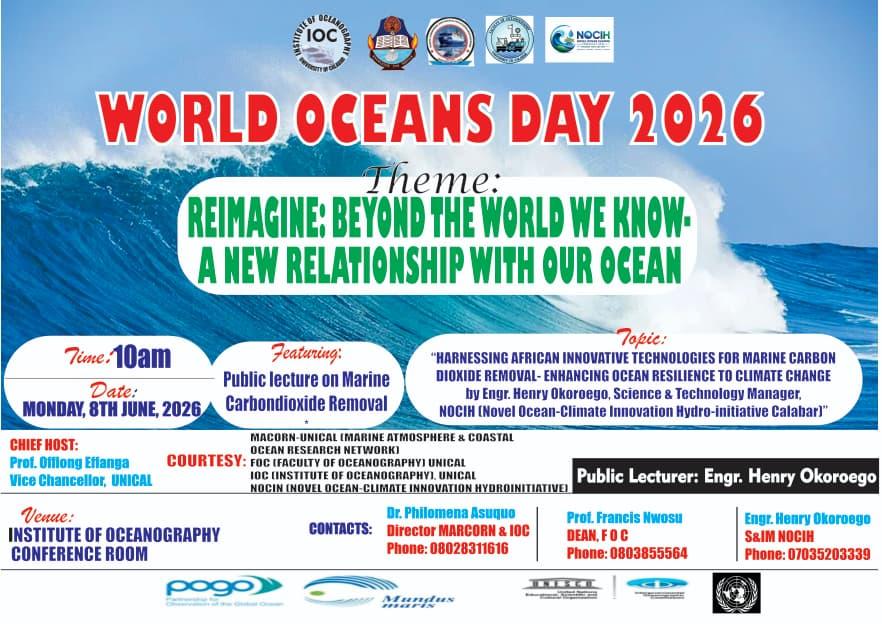
NOCIH-Africa in collaboration with MACORN-UNICAL, the Institute of Oceanography, UNICAL, and the Faculty of Oceanography, UNICAL, celebrated World Oceans Day 2026 with the theme: "REIMAGINE: BEYOND THE WORLD WE KNOW — A NEW RELATIONSHIP WITH OUR OCEAN."
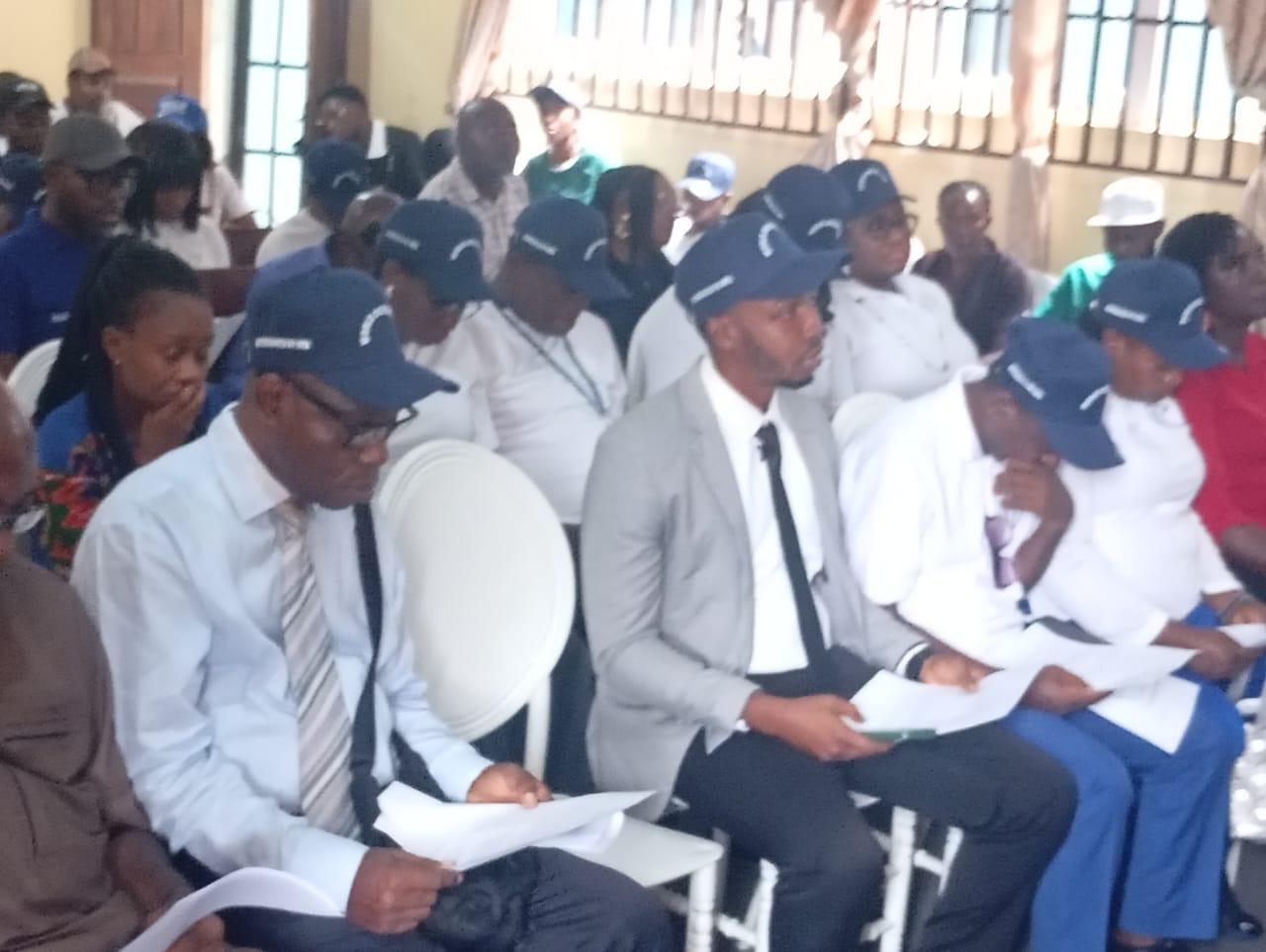
Engr. Asuquo Divine Francis (in suit and cap), CEO of NOCIH-Africa, seated among faculty professors at the World Oceans Day 2026 celebration, University of Calabar
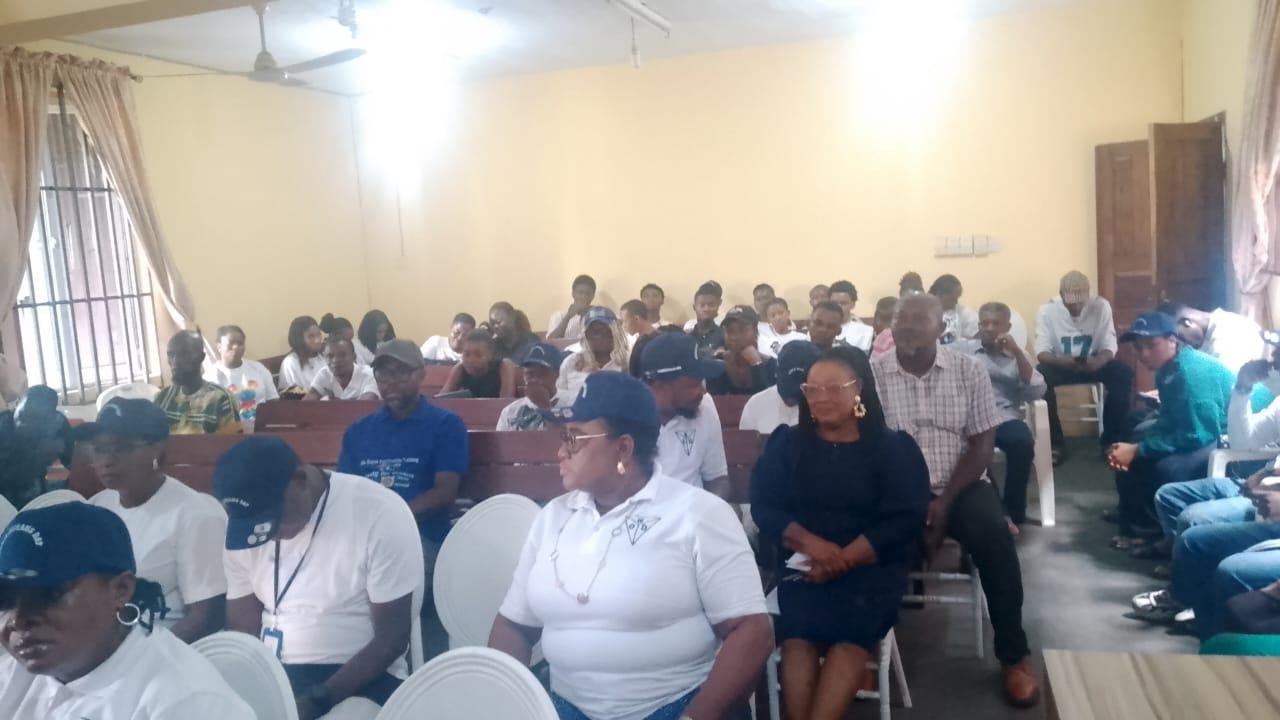
Attendance at the WOD 2026 celebration, University of Calabar
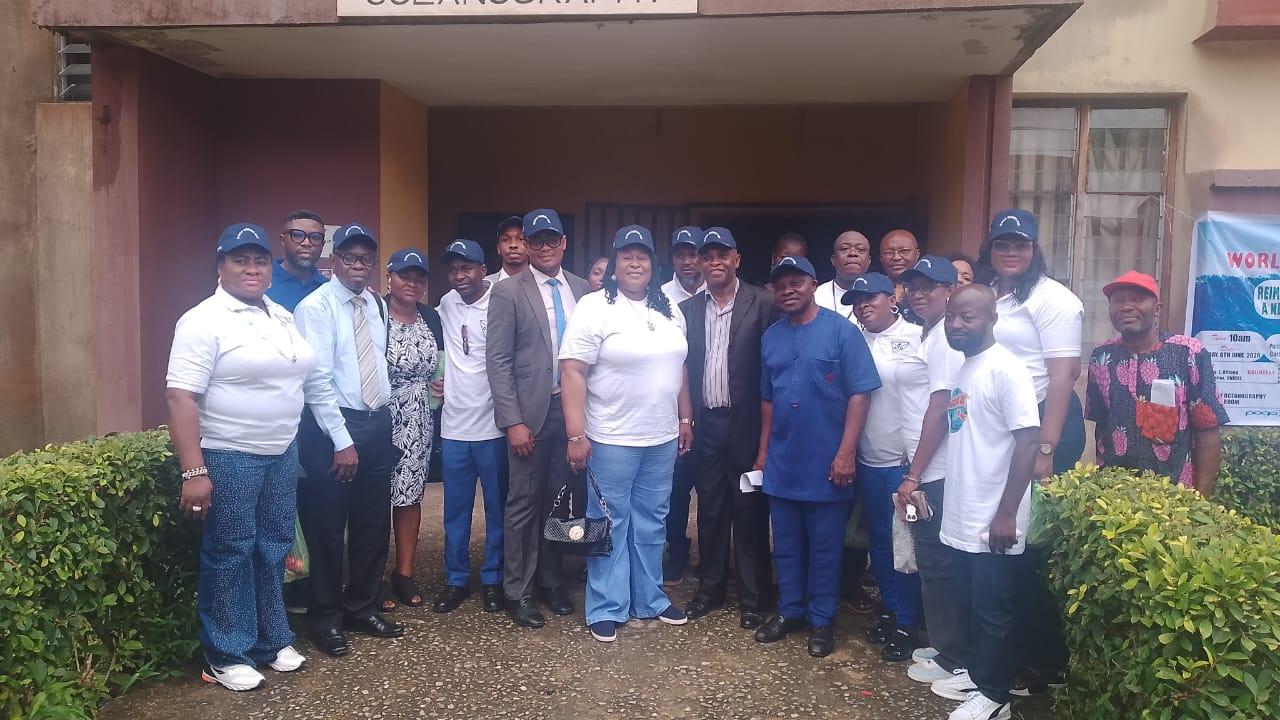
Group photograph of participants and organisers
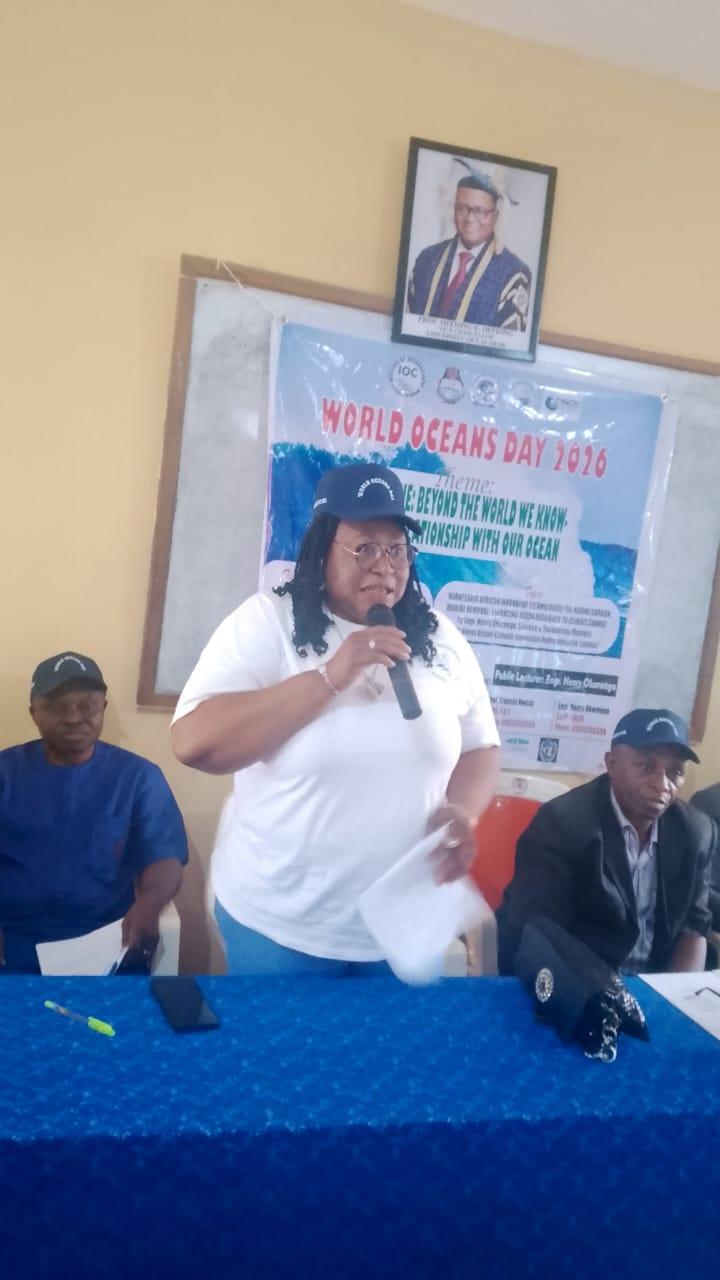
Dr. Philomena Edet Asuquo, Director of the Institute of Oceanography, UNICAL
Activities of the Day
The celebration featured a public awareness campaign on ocean-climate crises within and outside the University of Calabar. The programme deepened public understanding of ocean protection, climate change, coastal resilience, and responsible engagement with marine resources.
Seminar Lecture
Engr. Henry Okoroego, Science & Technology Advisor of NOCIH, delivered a landmark lecture: "Harnessing African Innovative Technologies for Marine Carbon Dioxide Removal — Enhancing Ocean Resilience to Climate Change." Described as the first of its kind in sub-Saharan Africa.
Key Highlights
- 🎓 Prof. Francis Nwosu, Dean of the Faculty of Oceanography, UNICAL, charged the Federal Government to invest in marine science and manpower development to unlock Nigeria's vast, largely untapped ocean resources.
- 📊 He noted that Nigeria has explored less than 1% of its coastal waters, despite oceans covering 71% of the earth's surface.
- 🏛️ Prof. Nwosu commended President Tinubu for creating the Ministry of Blue Economy, describing it as a strategic move recognising Nigeria's ocean potential.
- 🌿 Engr. Okoroego emphasised that marine CDR is practicable in African coastal environments using abundant sea shells and limestone materials available in Nigerian coastal areas.
- 💬 Dr. Philomena Edet Asuquo stressed that protecting the oceans is not a choice, but a responsibility for present and future generations.
The event attracted students, lecturers, and stakeholders, featuring interactive sessions on marine biodiversity, climate change impacts, and career opportunities in the blue economy. It is expected to pave the way for industry-university collaboration and wider partnerships across West Africa.